The People’s Medicine
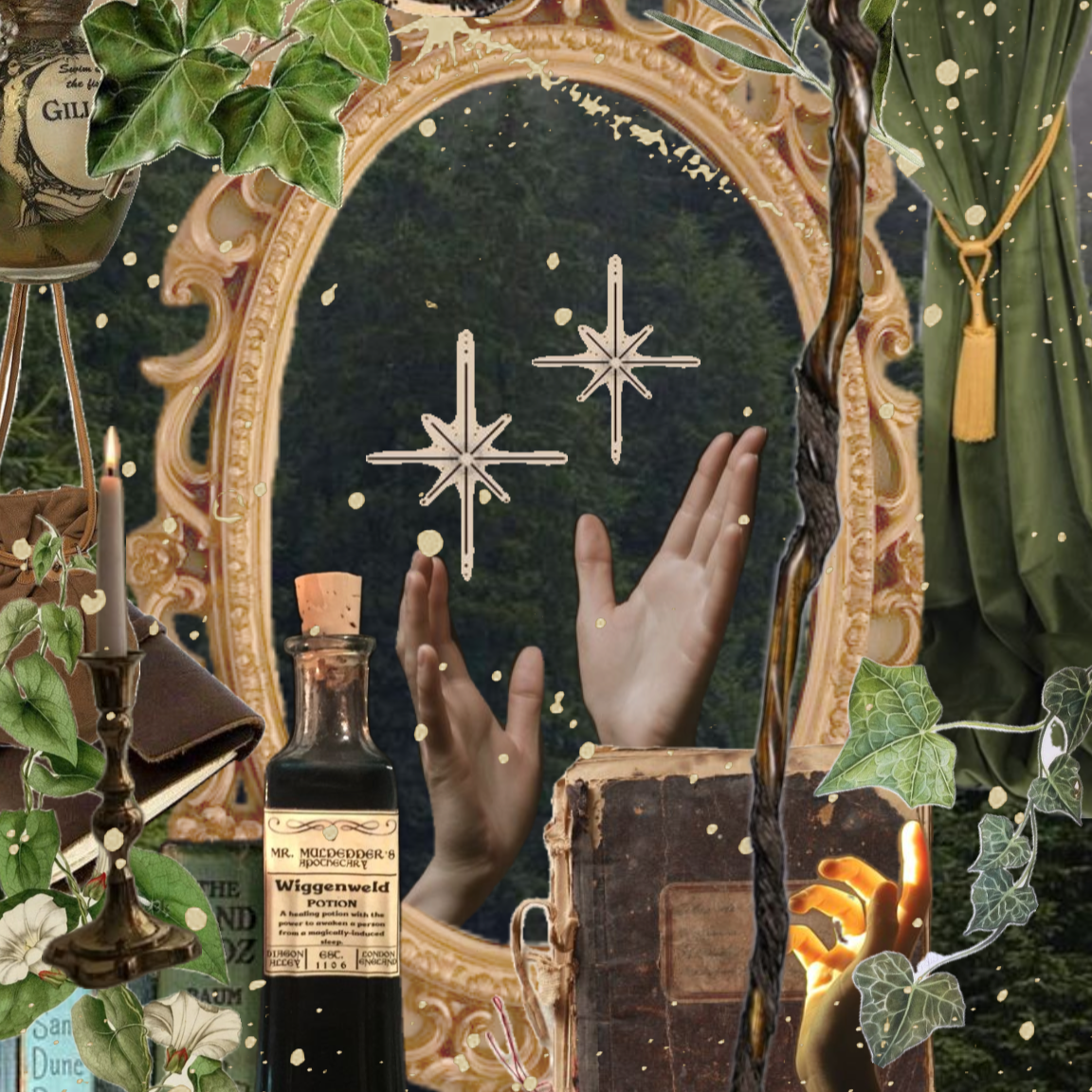
Our culture has become so accustomed to outsourcing our health that we've forgotten something that our ancestors probably didn’t even pause to consider--
Caring for one another is a community responsibility.
For thousands of years, health wasn't confined to clinics or hospitals. It lived in kitchens, gardens, workshops, fields, and around family tables. The midwife welcomed new life into the world. The farmer stewarded the land and soil that nourished the community. The herbalist understood the plants that supported health. The cook prepared meals for families in times of celebration and grief. Elders carried stories and traditions, sharing them with the village. Neighbors checked on one another. Every person held a piece of the whole.
Knowledge was shared. Care was shared. Responsibility, shared.
Somewhere along the way, that wisdom became something that only belonged to “experts”. We were taught to doubt our own capacity and to disconnect from the traditions that had sustained communities for generations.
This doesn't diminish the extraordinary role of modern medicine. Emergency medicine and specialized care save lives every day. But not every moment of caring requires a prescription, and not every act of healing belongs in a hospital.
There is profound value in knowing how to prepare a nourishing herbal tea, tend a garden, make a salve, support a loved one through a cold, bring a warm meal to a grieving family, or teach the next generation the skills that have been passed from hand to hand for centuries.
To me, this is the people's medicine.
Every person deserves access to the knowledge and skills that help them care for themselves, their families, and their communities with confidence and discernment. Herbalism is one thread in a much larger tapestry of community care.
When we teach one another, we strengthen the whole community. Health has never been an individual pursuit. It has always been relational. A resilient community shares its wisdom. It preserves its traditions. It nourishes its people. It remembers that caring for one another isn't charity, it's part of what makes us human.
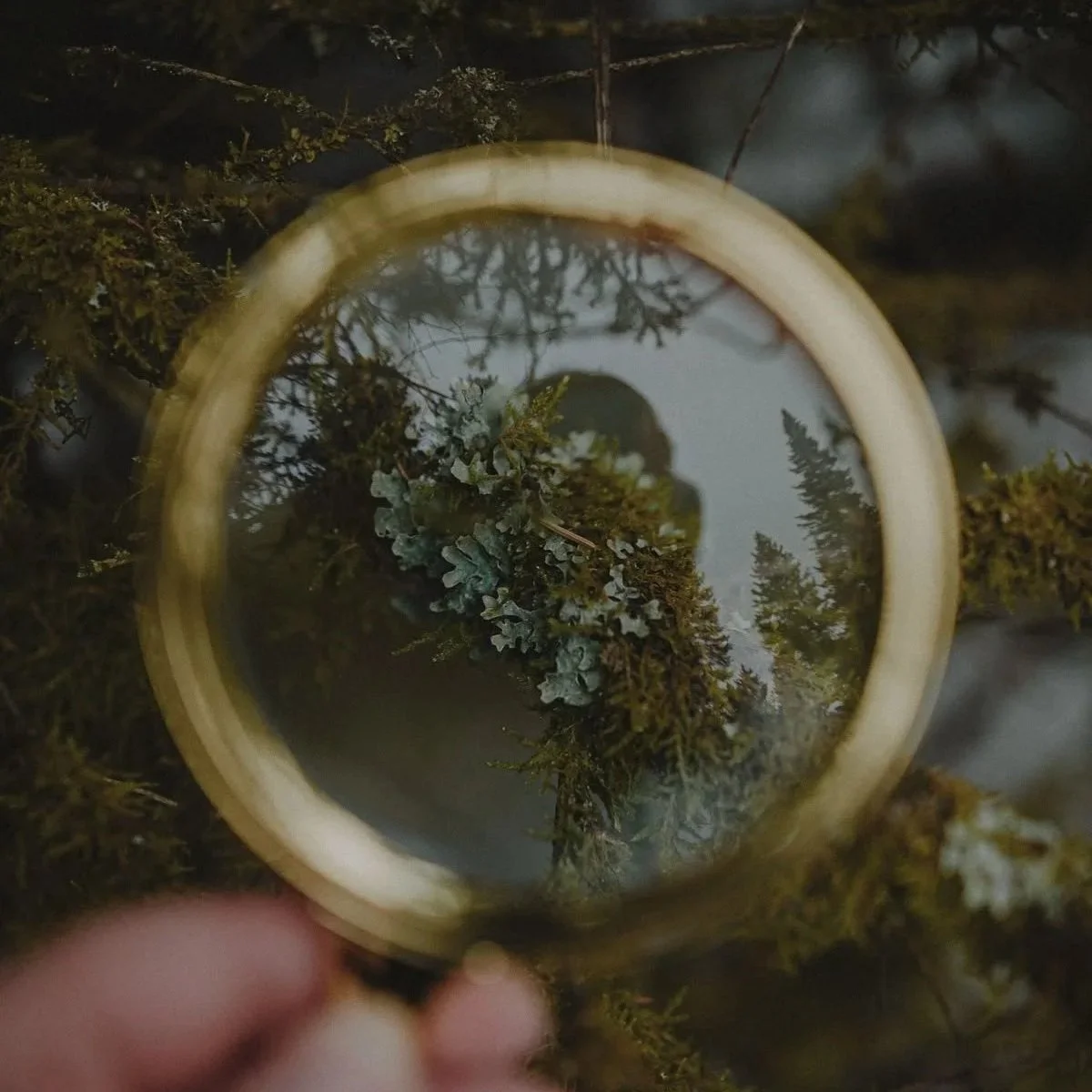
The English word observe comes from the Latin observare, meaning to watch, attend to, heed, or keep. At its root is the Latin verb servare—to preserve, protect, guard, or keep safe.
To Observe Is to Care
We often think of observation as a passive act. We observe a sunset or the weather. We observe a symptom or a child playing. The word observe suggests standing at a distance, collecting information without becoming involved.
But the word’s root actually tells a different story.
The English word observe comes from the Latin observare, meaning to watch, attend to, heed, or keep. At its root is the Latin verb servare—to preserve, protect, guard, or keep safe. Observation, thus, is more than simply noticing. It is an act of attentive care. To observe is to watch over something because it matters. It is to become so familiar with a person, a place, or a living thing that subtle changes no longer escape your attention.
For most of human history, this kind of observation wasn't reserved for scientists or physicians. It was woven into everyday life. A farmer noticed when the rains came late or when a crop emerged differently than it had the year before. A shepherd recognized when one sheep lingered behind the flock. A midwife learned to distinguish the countless small changes that unfolded throughout pregnancy and birth. A grandmother knew when a child's cough sounded different than the night before. An herbalist returned to the same patch of plants through every season, learning not only what grew there, but when, why, and under what conditions those plants flourished.
No one called this "research." It was just.. life.
Generation after generation, these careful observations accumulated into shared wisdom. Families taught one another. Neighbors conversed about things they had seen and learned. Practitioners witnessed what helped their patients and then recorded and refined it over time. Communities naturally integrated ways to survive and adapt and care for one another. Long before scientific journals, labs or clinical trials, people were paying close attention to the world around them. Traditional medicine was not born from blind belief. It was shaped by thousands of years of watching, remembering, comparing, refining, and passing knowledge from one generation to the next.
This is one of the reasons I often refer to herbalism as the people's medicine. Herbs do not belong to one profession or one tradition. The use of plants as medicine grew from ordinary people experiencing ordinary moments in everyday life. Herbalism belonged to farmers, midwives, cooks, elders, healers, parents, and neighbors. Every person carried a piece of the community's knowledge, and together they created a resilient culture of care.
Somewhere along the way, we began to confuse information with wisdom. We became remarkably skilled at collecting data, yet less practiced in paying attention. We can measure nearly everything, but many of us have forgotten how to sit quietly long enough to notice the cycles of seasons, the subtle changes in our own bodies, or the needs of the people living beside us.
Perhaps this is where healing begins: not with a remedy, but with observation.
Not the detached observation of standing back and analyzing, but the kind described by observare: watching with care. Paying attention because something is precious. Returning again and again until familiarity becomes understanding, and understanding becomes wisdom.
When we reclaim this way of seeing, we do more than learn about herbs. We begin restoring our relationship with the land, with our communities, and with one another. We preserve traditions that might otherwise be lost. We share knowledge rather than hoard it. We strengthen our collective capacity to care. And in doing so, we remember something our ancestors understood well: health has never been created by individuals alone. It has always been cultivated by communities willing to observe, remember, and care.
Why does community medicine matter?
Because no matter how advanced a healthcare system becomes, it can never replace the everyday acts of care that sustain a healthy community.
Hospitals were not designed to teach a parent how to comfort a feverish child through the night. Physicians cannot visit every home to prepare nourishing meals after a loss, tend a community garden, or pass down generations of practical knowledge about food, movement, rest, and seasonal living. These are not the purposes of modern medicine.
For most of human history, health was not something people purchased. It was something communities cultivated together.
The farmer nourished the village long before illness appeared. The midwife supported mothers through pregnancy, birthing, and postpartum. The herbalist learned which plants eased discomfort and strengthened the body. The elder remembered stories of tradition and what had worked through droughts, epidemics, and changing seasons. Parents taught children not only recipes and remedies, but how to observe the birds, the weather, the soil, and the subtle language of their own bodies.
Each person held a piece of the whole.
This distributed knowledge made communities remarkably resilient. Care did not depend upon one institution or one expert. It lived within the people themselves.
When knowledge is shared, communities become less fragile.
A neighbor knows how to prepare nourishing food for a family in crisis. A grandparent recognizes the early signs that a child needs extra support. Friends gather to help harvest a garden after an injury. Someone teaches another how to prepare a calendula salve, grow medicinal herbs, preserve food for winter, or simply sit and listen when grief arrives.
These moments rarely make headlines.
Yet they are the quiet foundation upon which healthy communities are built.
Community medicine restores the layer of care that has slowly disappeared between the individual and the healthcare system.
It asks a different question.
Instead of asking, "Who will take care of me?"
It asks, "How can we become people who know how to care for one another?"
And that is what has been missing as the world has modernized. We do not need more information, more products, more wellness influencers announcing another stack to add to your already never ending protocol.
We need communities that remember how to observe with care, share wisdom generously, preserve traditions faithfully, and nourish one another long before illness demands intervention.
If community medicine begins with observation, it grows through participation.
The good news is that you don't need a degree in herbal medicine, a homestead, or years of experience to begin. Community care has never depended on one person's expertise. It depends on many people sharing what they know and offering what they can.
Perhaps your gift is growing food. Perhaps it's preparing nourishing meals for a family after surgery or welcoming a new baby with homemade soup. Perhaps you know how to identify a handful of medicinal plants that grow in your own backyard. Maybe you're the person who checks in on an elderly neighbor, offers childcare to an overwhelmed parent, teaches someone how to preserve tomatoes from the garden, or simply listens without trying to fix everything.
These acts may seem ordinary, but they are the threads that hold a community together.
If you're wondering where to begin, start small.
Learn the names of the plants that grow where you live.
Plant a few culinary and medicinal herbs.
Ask an elder to teach you a skill they don't want to see disappear.
Cook one nourishing meal from scratch each week.
Share seeds with a neighbor.
Take a walk without your phone and practice observing the changing seasons.
Learn to prepare a simple herbal tea, infused oil, or salve.
Support your local farmers.
Gather friends around a table to exchange recipes, remedies, and stories.
Most importantly, become someone who pays attention.
Notice when a friend seems quieter than usual. Notice when your child is asking for connection instead of entertainment. Notice when your own body whispers before it begins to shout. Notice the first violet in spring, the smell of rain before a storm, the birds that return each season, and the plants that quietly thrive around you.
Observation is where knowledge begins.
Knowledge shared becomes wisdom.
Wisdom practiced becomes culture.
And culture has always been one of the most powerful forms of medicine.
None of us can do everything, but each of us can carry one small piece of the whole. When enough people do, something remarkable happens: we stop thinking of health as a service someone else provides and begin remembering that it is something we cultivate together.
That is the invitation: to become an engaged member of a community that remembers how to care.
If these ideas resonate with you, then you've begun to understand the heart of my work with Kinroot. Kinroot was never created simply to teach people about herbs. It was born from a much larger question:
How do I personally participate in this?
I don't believe that happens through one class or one organization. It happens slowly, through relationships. Through education that empowers rather than intimidates. Through communities that remember how to learn from one another and care for one another.
This vision continues to shape every decision we make.
It means creating educational opportunities that are accessible to as many people as possible, including exploring Pay From the Heart offerings so financial barriers don't prevent someone from learning foundational skills. It means developing programs that can serve individuals and families in recovery, where rebuilding health often begins with rebuilding connection to the body, to community, and to a renewed sense of purpose.
It also means looking beyond our own classrooms. We are exploring ways to support organizations whose work aligns with these values, including contributing to Land Back initiatives that support Indigenous communities and partnering with organizations like Herbalists Without Borders that expand access to herbal education and community care. These projects are part of a broader commitment to ensuring that the knowledge we share continues to ripple outward.
Our communities face different challenges today than they did generations ago. But the values that sustained people across centuries—observation, generosity, stewardship, shared wisdom, and mutual care—remain just as relevant.
Kinroot is simply one small part of that work.
We are learning. We are listening. We are building thoughtfully. We are asking how education can become more accessible, how communities can become more resilient, and how each of us might contribute our own gifts to the health of the whole.
I hope this movement grows with more people begin teaching what they know, tending their neighborhoods, sharing meals, planting gardens, supporting local farmers, preserving traditions, checking on their neighbors, and remembering that caring for one another has always been one of the most powerful forms of medicine.
That is the future we're working toward, one that is grounded in presence and observation, strengthened by education and nourished by community.
